Written by Tina Brocklebank
I first went to volunteer in Calais in October 2015, just after the photo of little Alan Kurdi, the 2 year old Syrian boy who was found dead on a Turkish beach went viral across the globe. I went for a week and eventually left 18 months later. In 2015 refugees were arriving 24 hrs a day and an army of volunteers responded with compassion, time and a determination to bring some dignity to people who needed food, tents, sleeping bags, toiletries etc. This space became what was known as ‘The Jungle’ – a desperate slum town that was home to 10,000 people at its height. The camp was evicted in 2016.
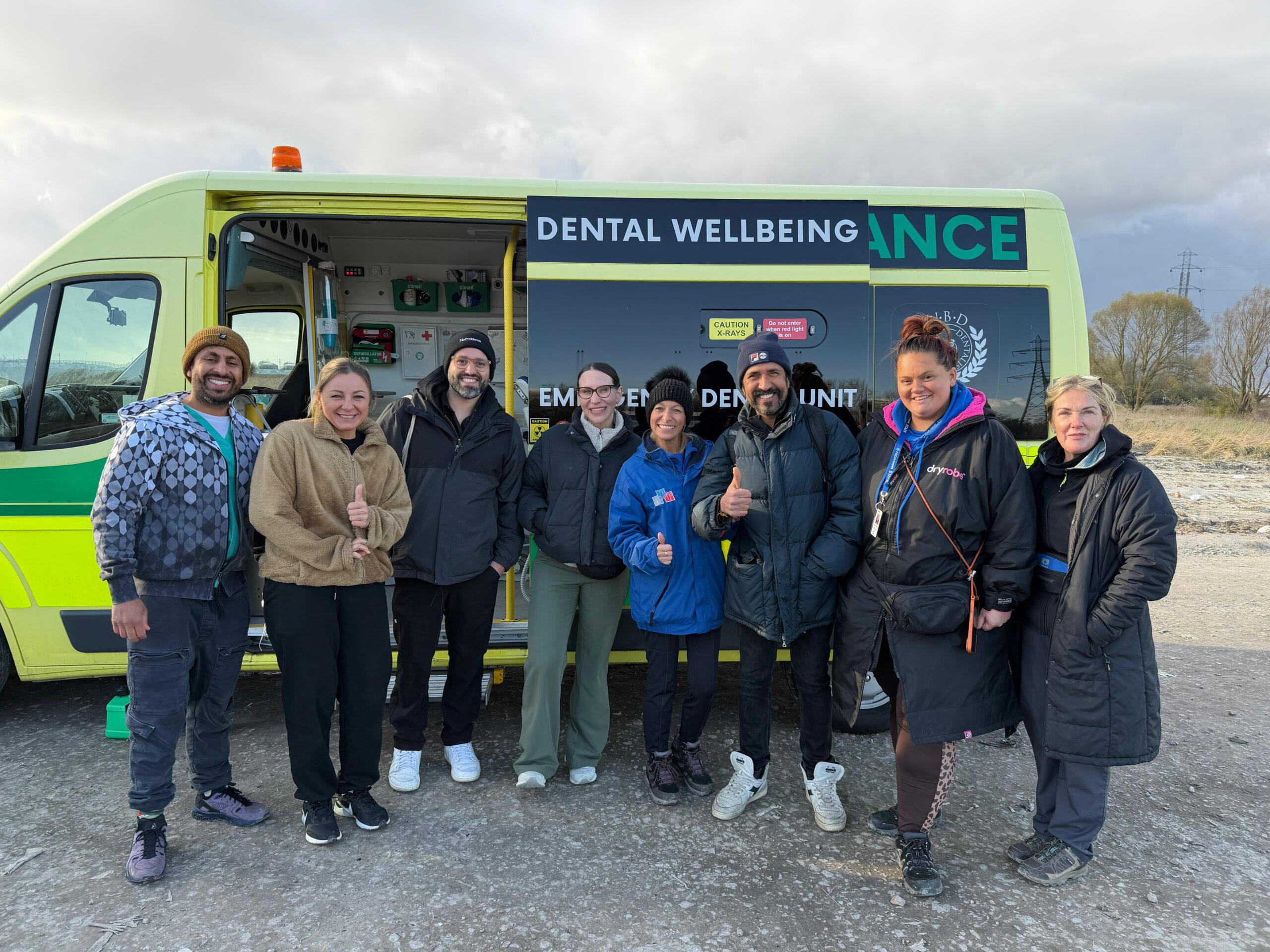
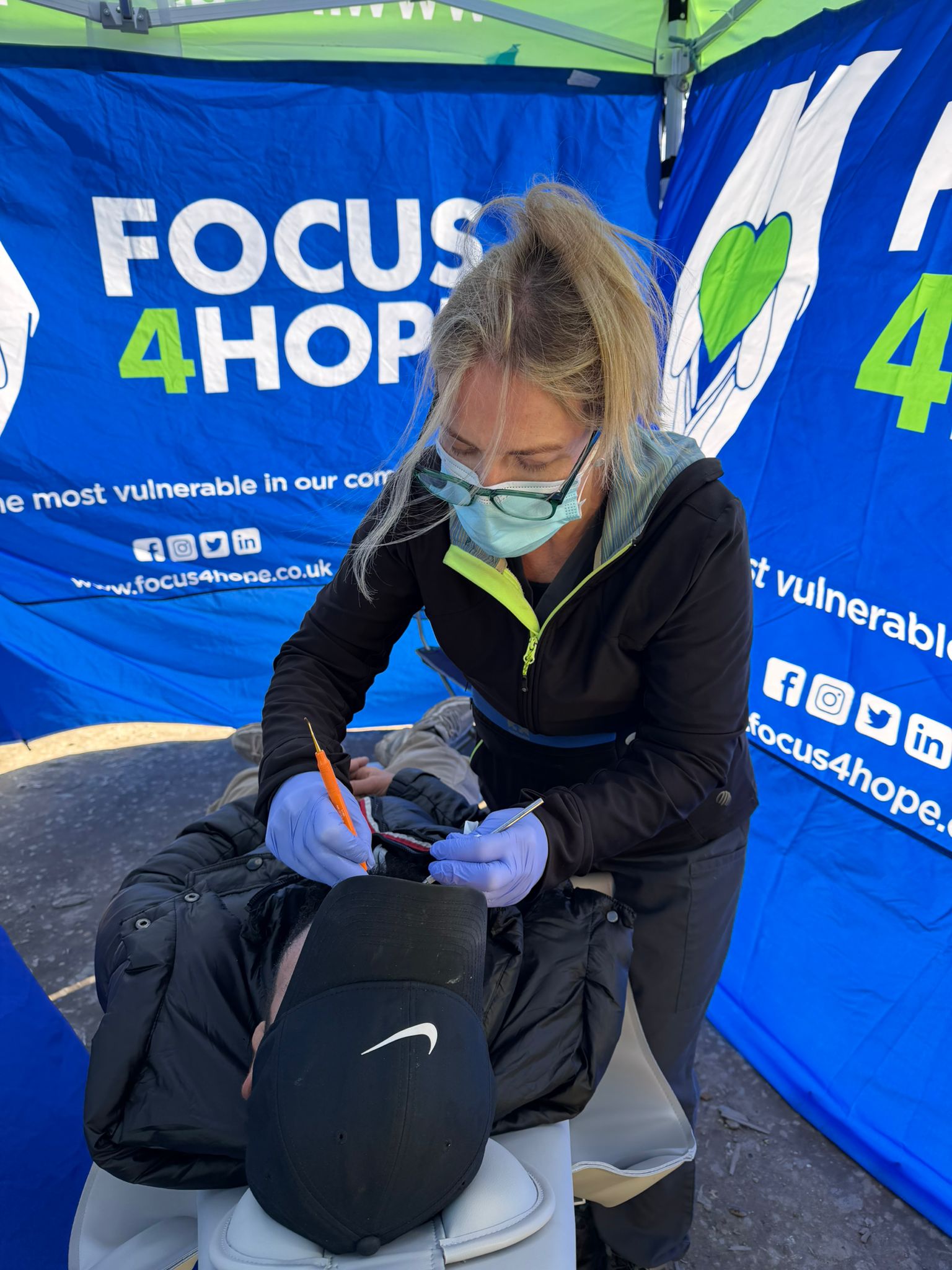
In March this year I returned to Calais for a short trip. I went with a Brighouse-based organisation, ‘Focus4Hope’ set up by my great friend Louise. They have an amazing partnership with a group of dentists and together we took an incredible team of dentists, dental hygienists and a fantastically well equipped mobile dental unit to give dental care to people in camps in Dunkirk.
Dunkirk is a desperate place for anyone; but what is more shocking about Dunkirk is the number of children. Families are evicted from flimsy tents every week, as the state does everything it can to prevent another ‘Jungle’ camp establishing itself. The Police arrive early in the morning so people don’t have time to prepare themselves. Tents are destroyed, belongings confiscated and scattered. This state sanctioned “zero fixation” policy creates a constant cycle of displacement, keeping people in a heightened state of insecurity and precariousness—living at the edges of anxiety and limbo, never able to settle, never able to feel safe. We were fortunate that the sun shone for two days, and the atmosphere was relatively calm. There were moments of singing and play, opportunities to blow bubbles with children and time simply to sit and talk with people. I know only too well how the French weather can shape the mood and affect the resilience of people living in such precarious conditions—the relentless coastal wind and cold rain can heighten feelings of insecurity and desperation. On this occasion, though, we were lucky.
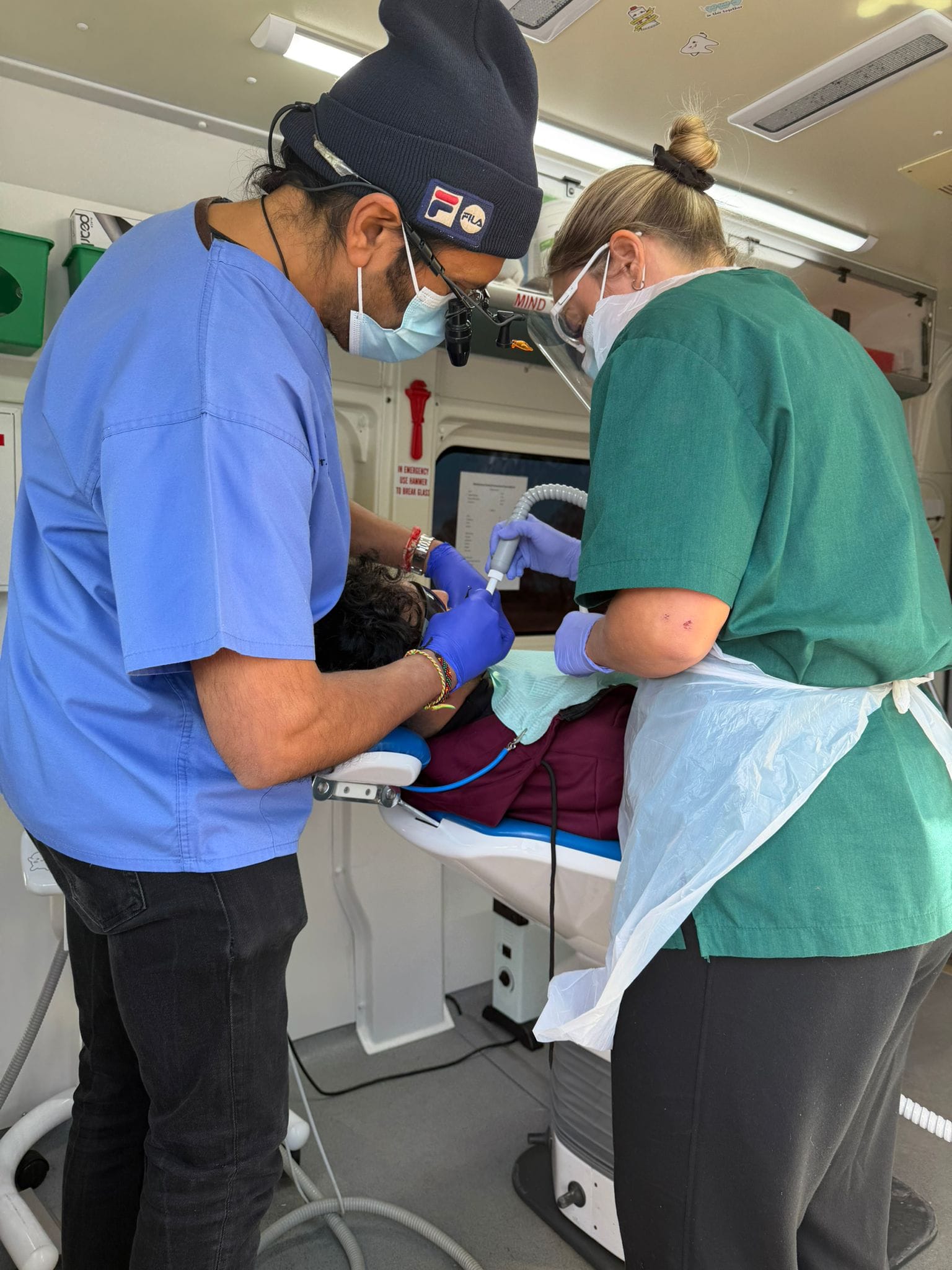
The dental team worked continuously for two days, with a constant queue of people seeking relief from toothache—providing fillings, extractions, sensitisation and rebuilding broken teeth.
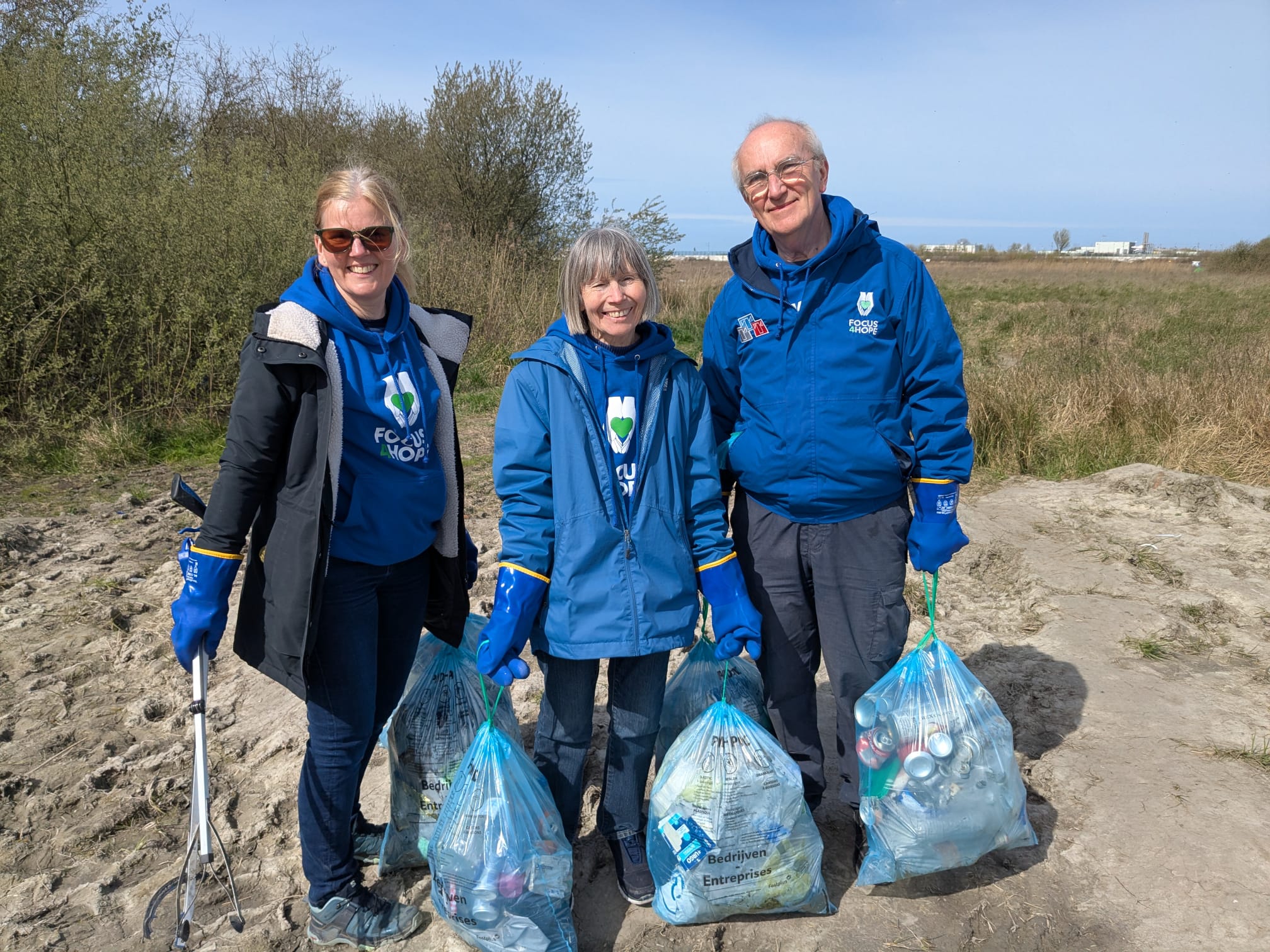
We took a huge amount of donations to the fabulous Mobile Refugee Support established by my wonderful old friend Charlie, we did a big litter pick and we spent time volunteering with Refugee Community Kitchen in Calais chopping, peeling, slicing, washing, scrubbing for the 600+ hot nutritious and delicious meals they serve every day. It was a quick 4 day trip but it was wonderful to contribute in a very small way to the fantastic work that organisations do the day in and day out.
A week later I read a ’Free Movement’ news article stating how the Iran war and the displacement of over a million people in Lebanon could result in a dramatic rise of people seeking safety in Europe and making the crossing across the channel. At the same time, the UK government agreed to pay France an extra £16.2 million for additional patrols on the beaches for a two month period. In the following 2 weeks, 4 people died making the journey across the channel.
At the end of 2024 there were 123.2 million people displaced globally. That’s 1 in every 67 people on the planet. Less than 1% of these come to the UK – less than Spain, Italy, Germany, France. There were 45,183 people detected arriving by small boats in the year to September 2025, over half were from just five nationalities: Eritrean (17%), Afghan (13%), Iranian (11%), Sudanese (10%) and Somali (8%).10 years on from when I first went there the situation and the need for safe and legal routes is as desperate as ever, as evidenced in the recently released report from Refugee Action about the systemic racism at the UK/French border.
This fascinating conversation with a young girl of 16 years who escaped Iran with her family and travelled through Calais was recently aired on radio 4. I can thoroughly recommend it.
If anyone is interested on going to volunteer in Calais or just wants to find out more please don’t hesitate to contact me: director@calderdale.cityofsanctuary.org